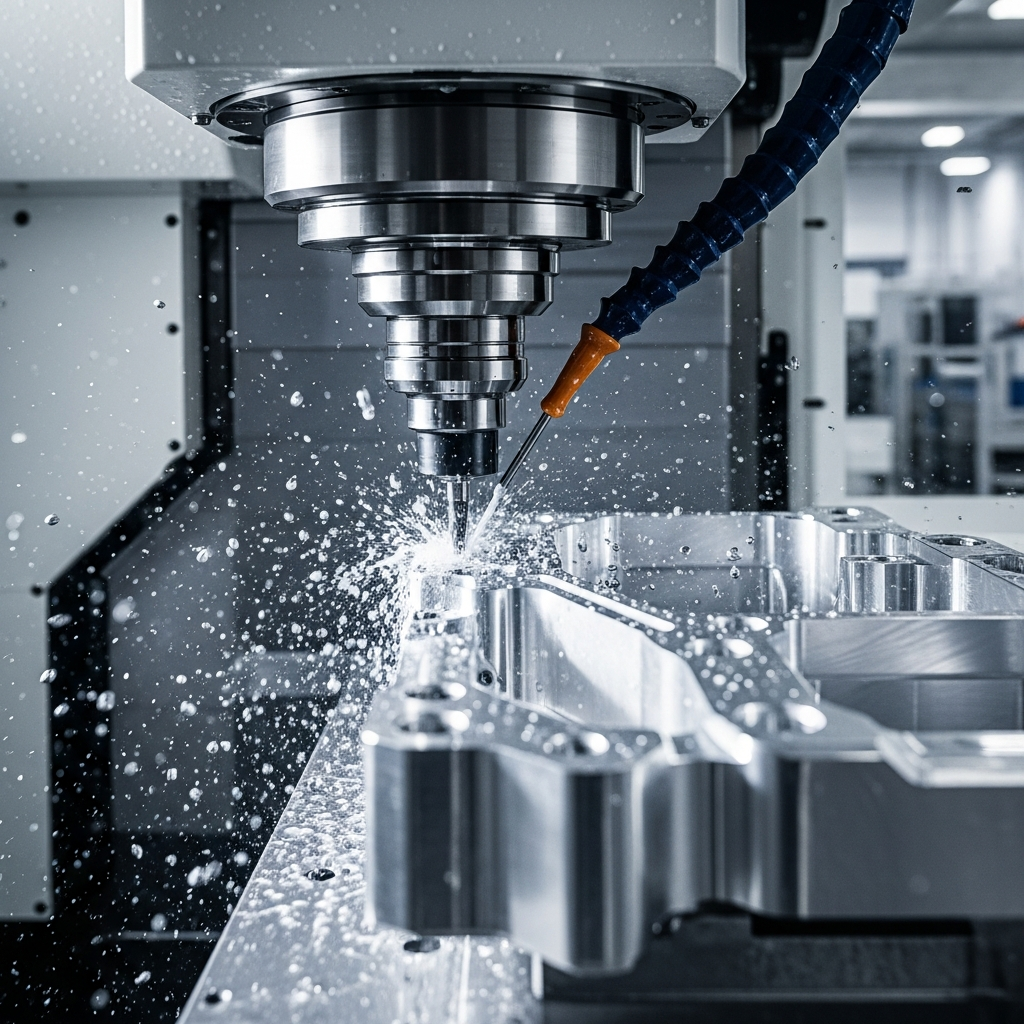
Construction & Agriculture. Built to survive the field.
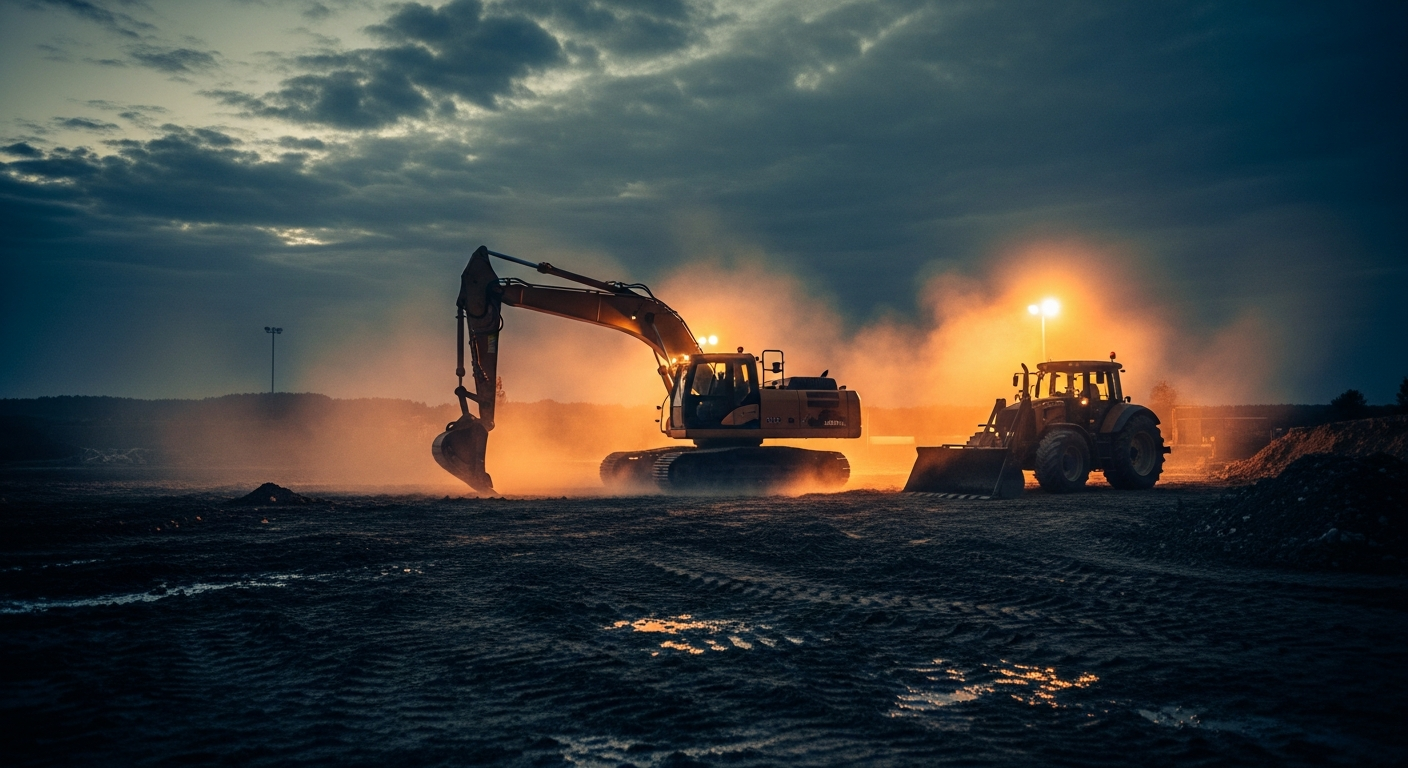
Construction and agricultural equipment
works in the harshest conditions there are — high loads, shock, vibration, dirt, and weather. MES delivers
the durable cast, forged, and machined components that keep that equipment running, engineered for
strength and reliability and backed by a global supply chain.
Precision manufacturing for construction and agriculture
In construction and agriculture, a failed component
doesn’t just mean a warranty claim — it means downtime in the field, where reliability is
everything. MES is a trusted partner to equipment OEMs, delivering precision-manufactured components
engineered to perform under the loads, impacts, and environments heavy machinery demands.
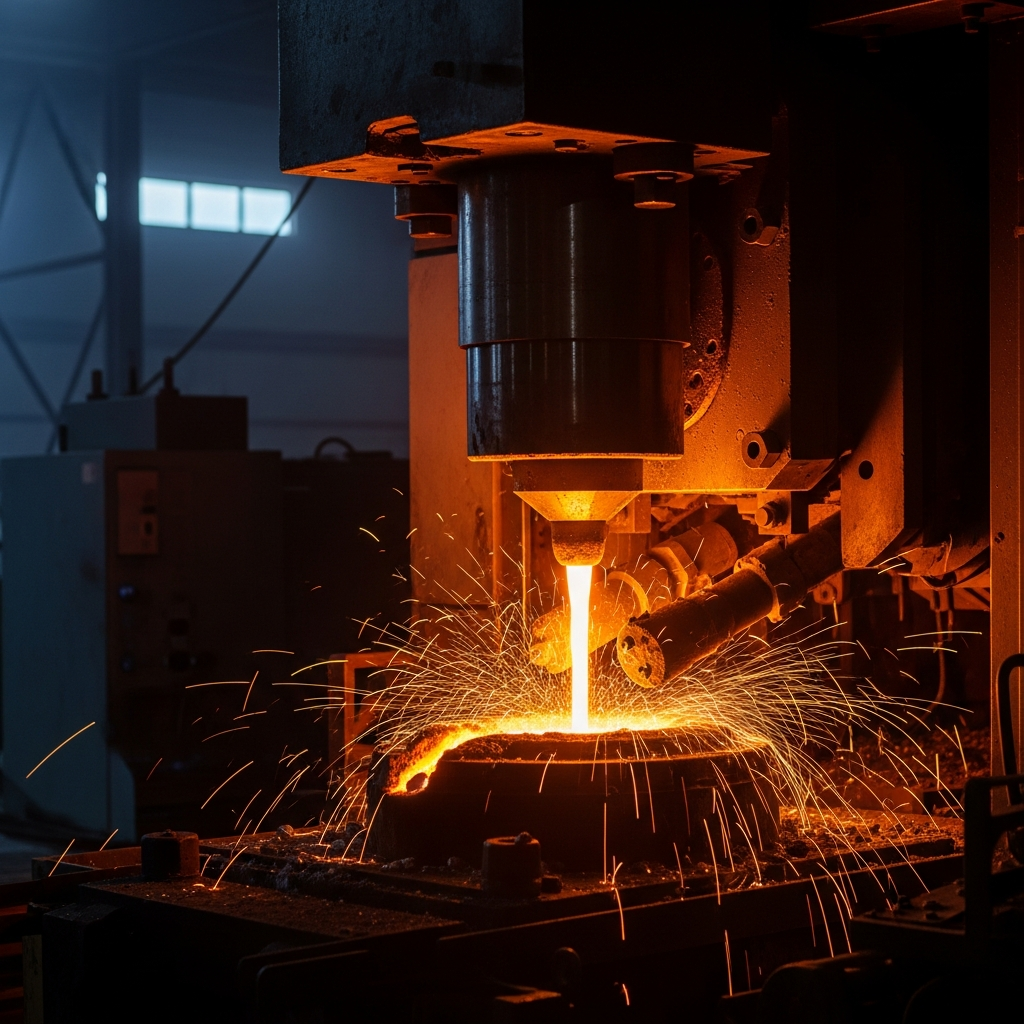
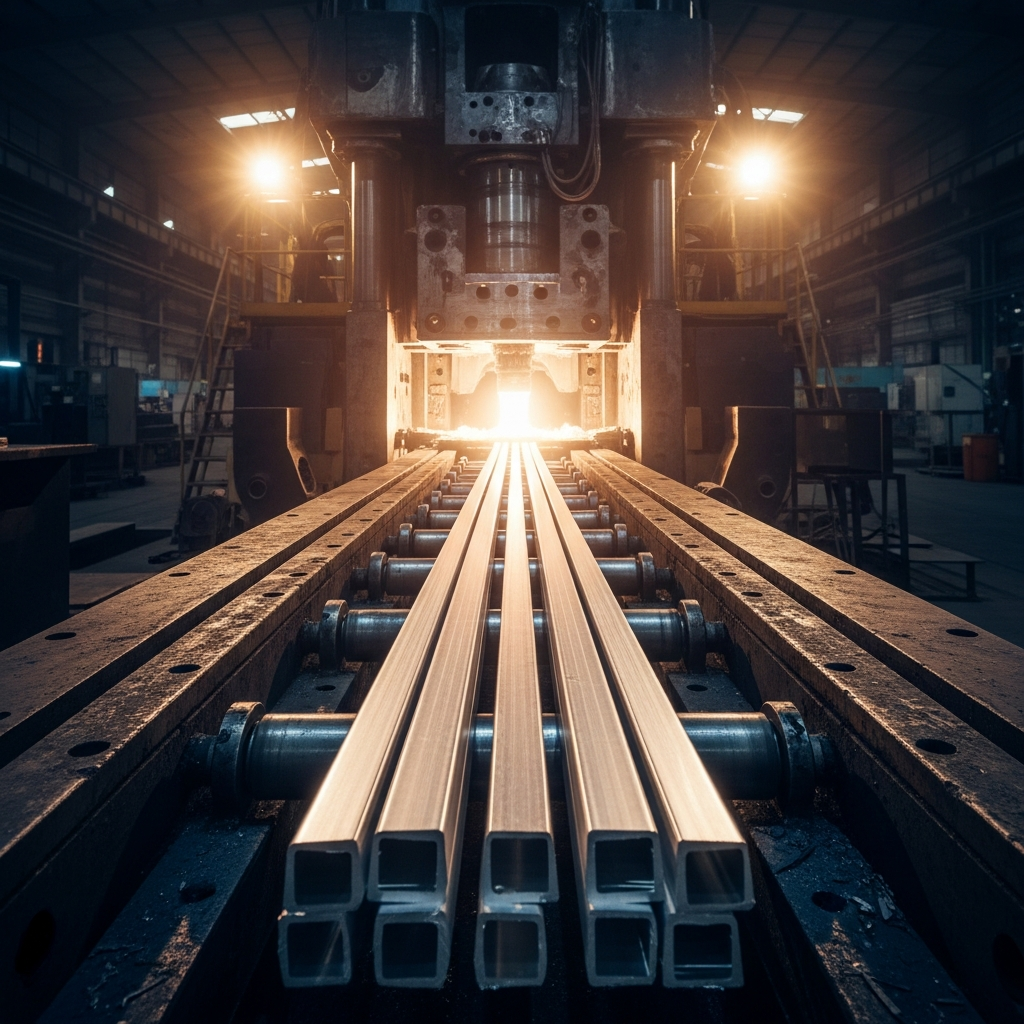
With expertise across die casting, forging,
extrusion, investment casting, and CNC machining, we produce housings, brackets, gears, and
structural components built for durability, performance, and cost-effectiveness — then manage the
sourcing, quality, and delivery behind them as a single program.
01
Engineer
Built for load, impact, and wear
02
Produce
Cast, forged, and machined at scale
03
Deliver
Global + nearshore supply
Spotlight
Engineered for the loads the field throws at it
Heavy equipment components fail in specific,
punishing ways — fatigue from constant load cycling, impact from rough terrain, wear from abrasive
environments, corrosion from weather. MES engineers around all of it.
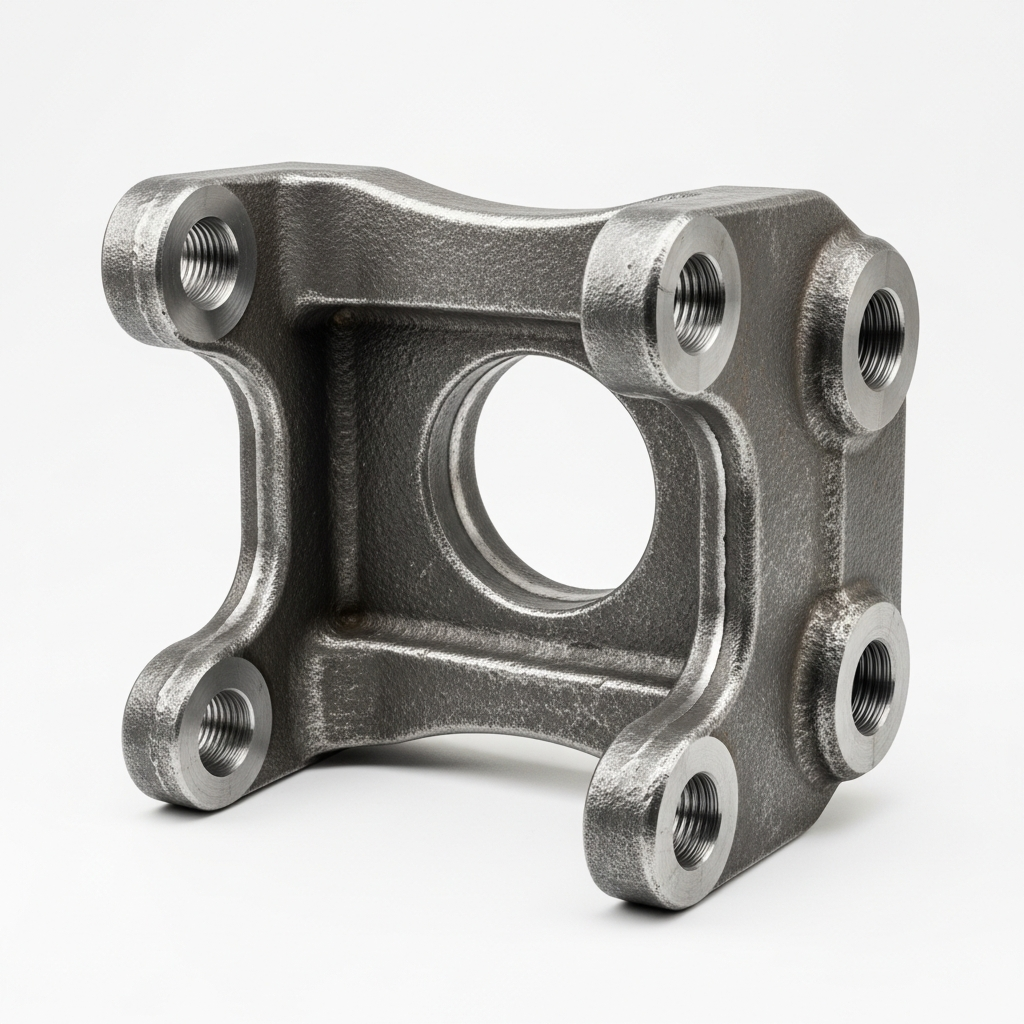
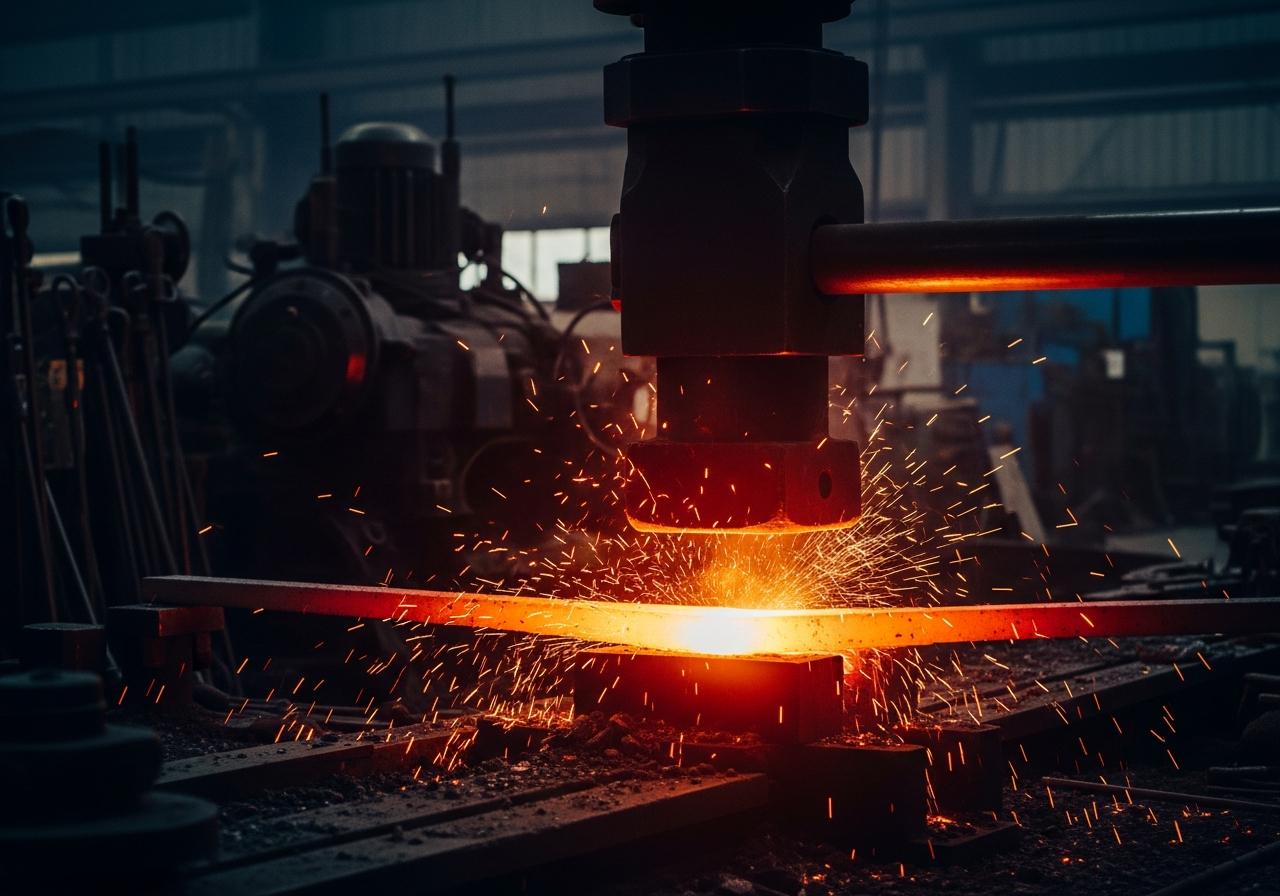
Forged for strength
Grain-flow-aligned forgings for high-load, fatigue-critical
parts
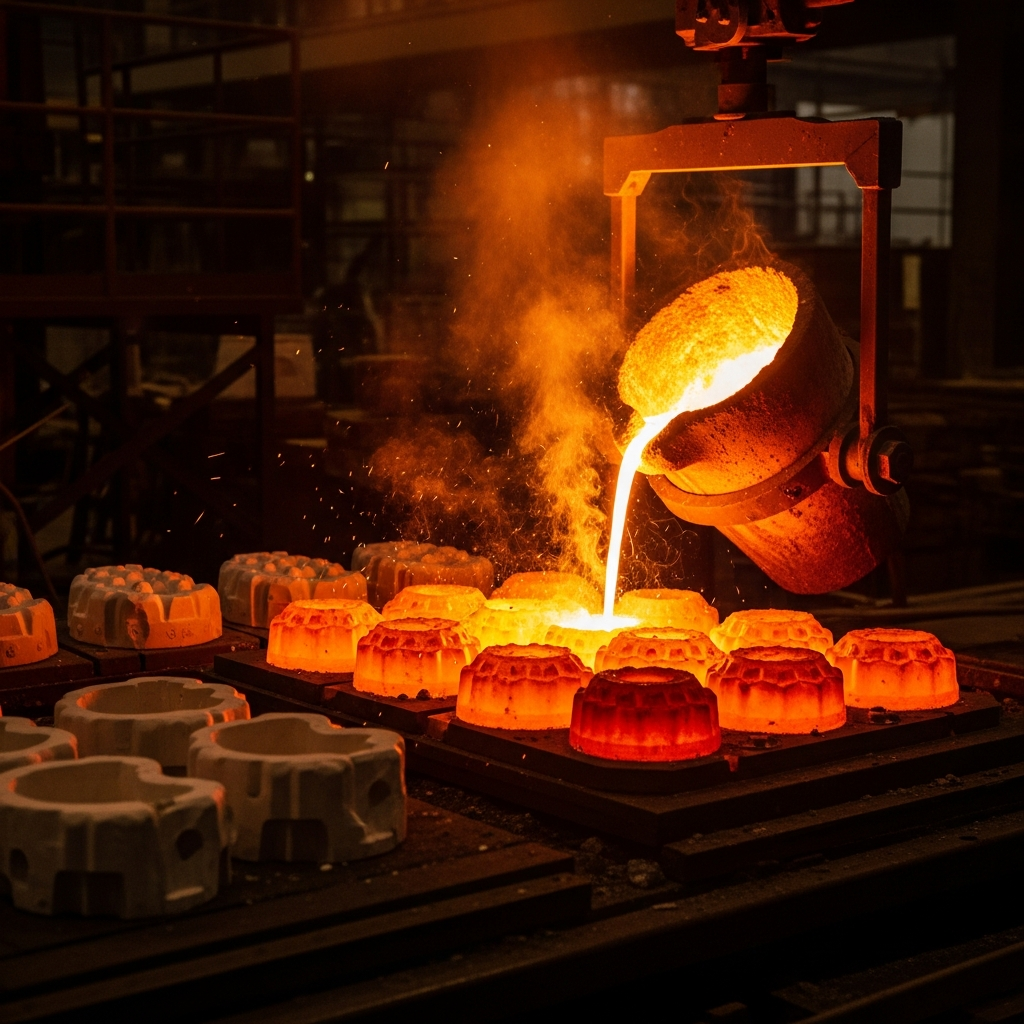
Cast for complexity
Iron and aluminum castings for durable, intricate housings
Verified at the source
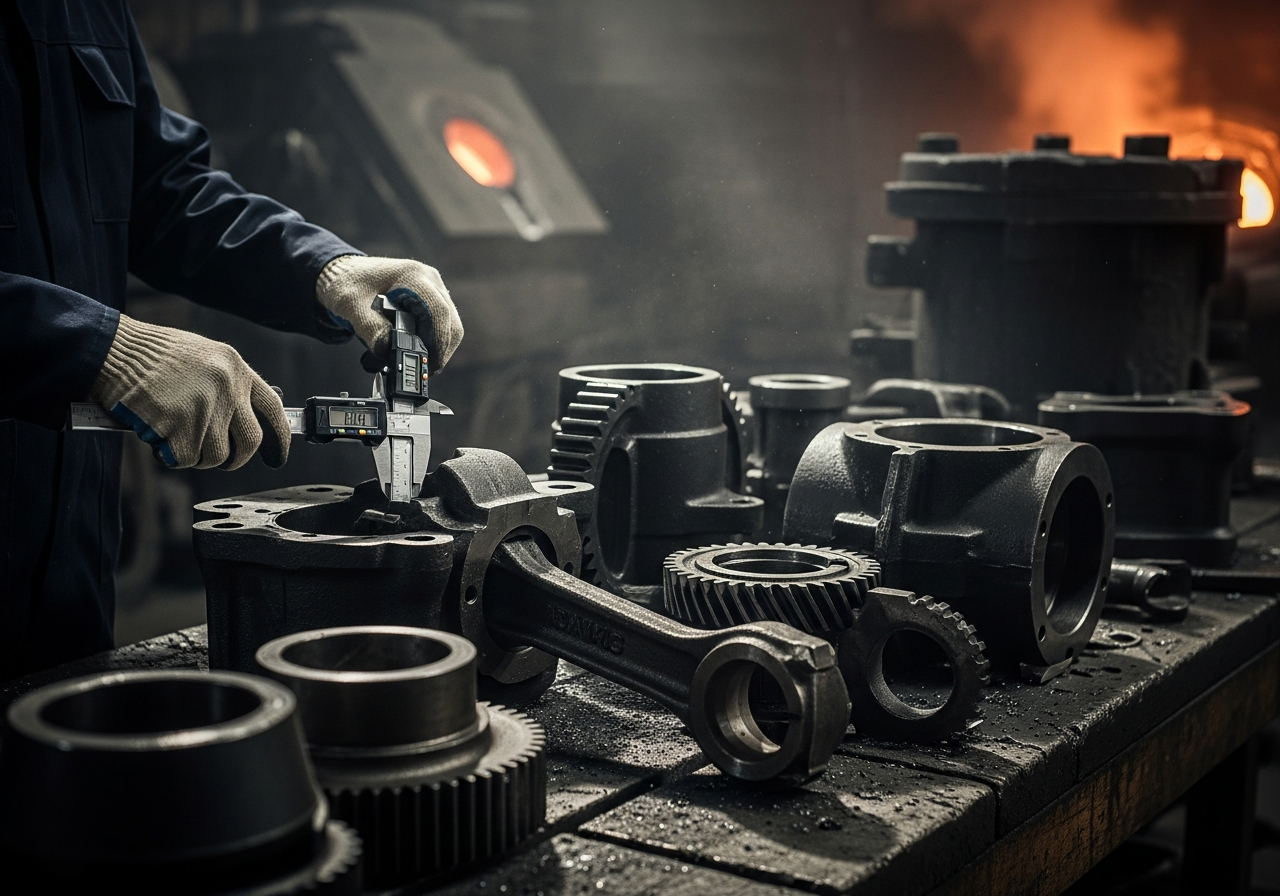
MES quality engineers confirm critical features before parts
ship
One accountable partner
Sourcing, quality, and delivery managed end to end
Heavy Equipment
Components
Components for construction
and agricultural machinery
MES provides the full component set for heavy equipment —
each part matched to the process that makes it strongest.
Hydraulic & Engine
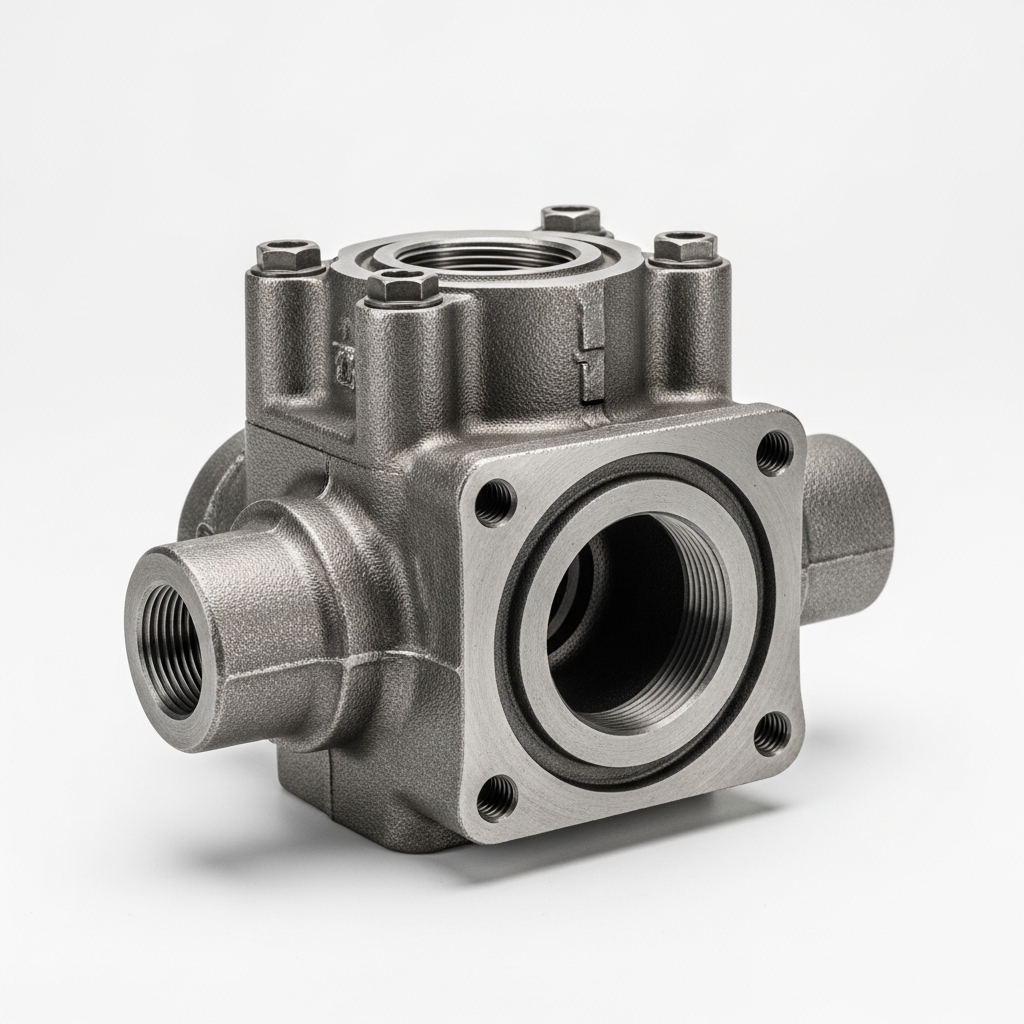
Hydraulic Systems
Valves, cylinders, and pump housings — iron/aluminum
casting + machining.
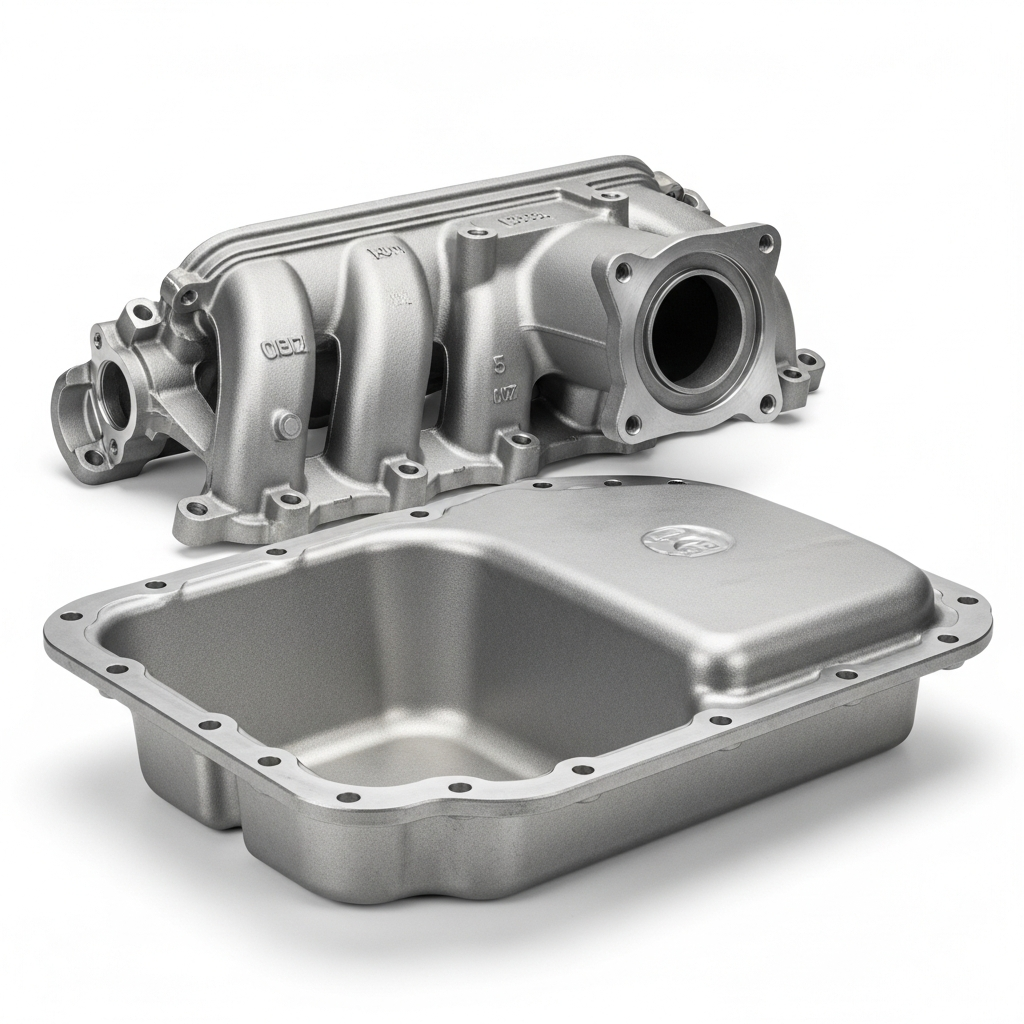
Engine Components
Cylinder heads, manifolds, and oil pans — casting +
machining.
Structural & Heavy Equipment
Structural Components
Frame parts, mounts, and brackets — casting, forging +
machining.
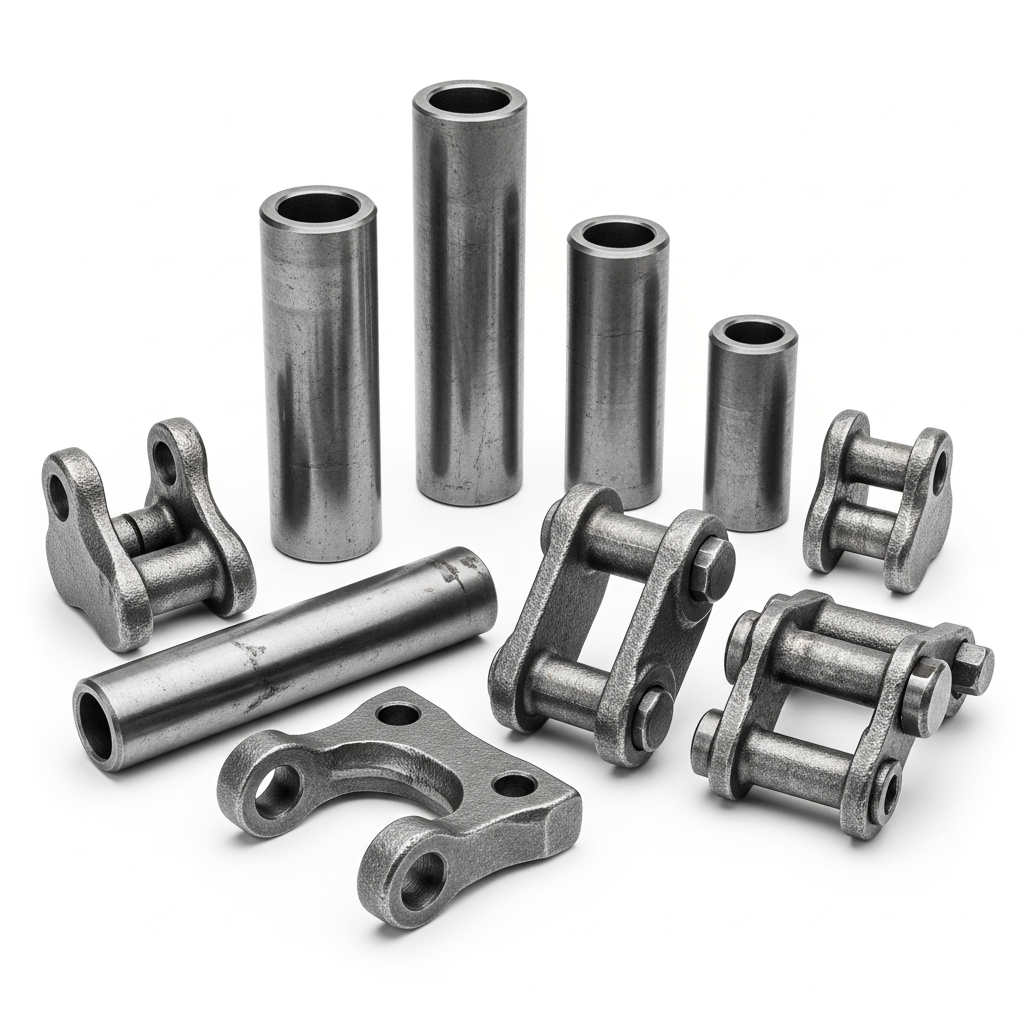
Heavy Equipment Parts
Attachments, pivot points, and connectors — forging +
machining.
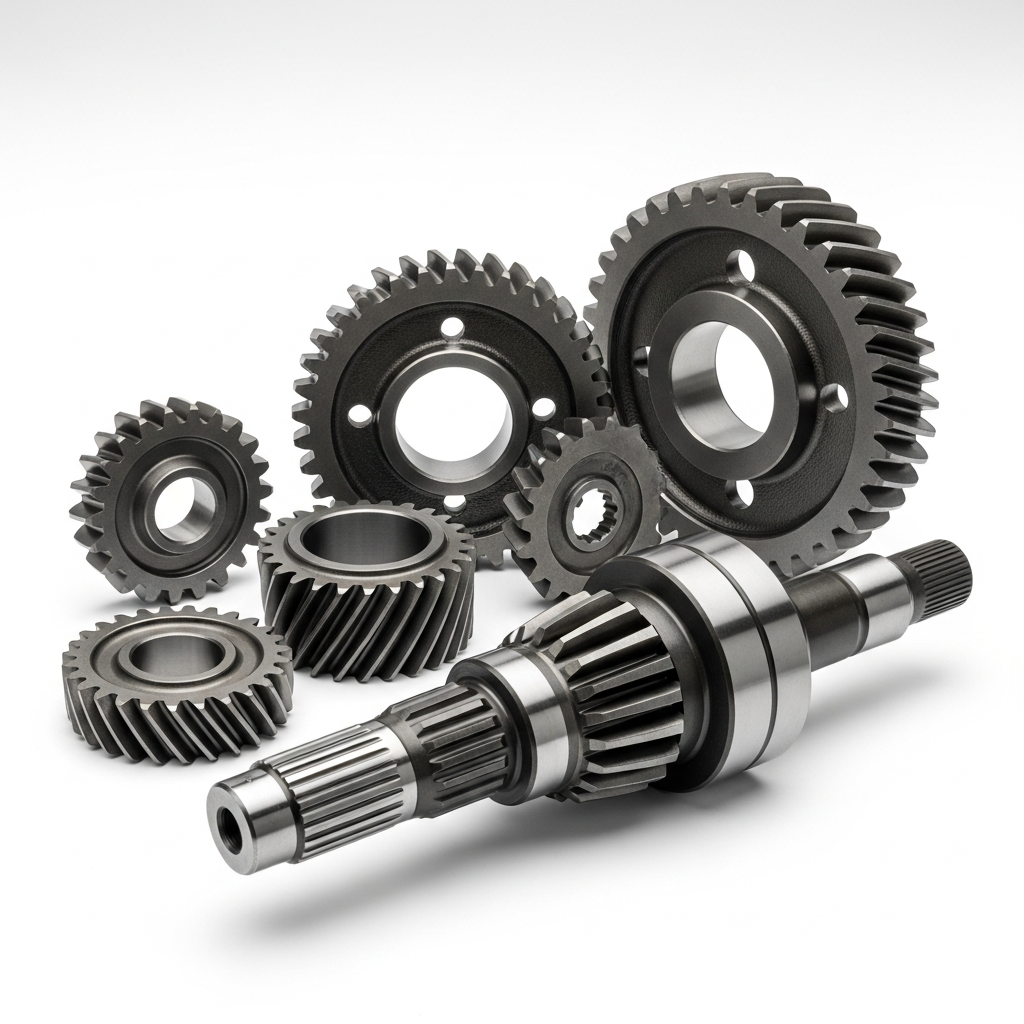
Drivetrain
Drivetrain Components
Gears, shafts, and transmission parts — forging +
machining.
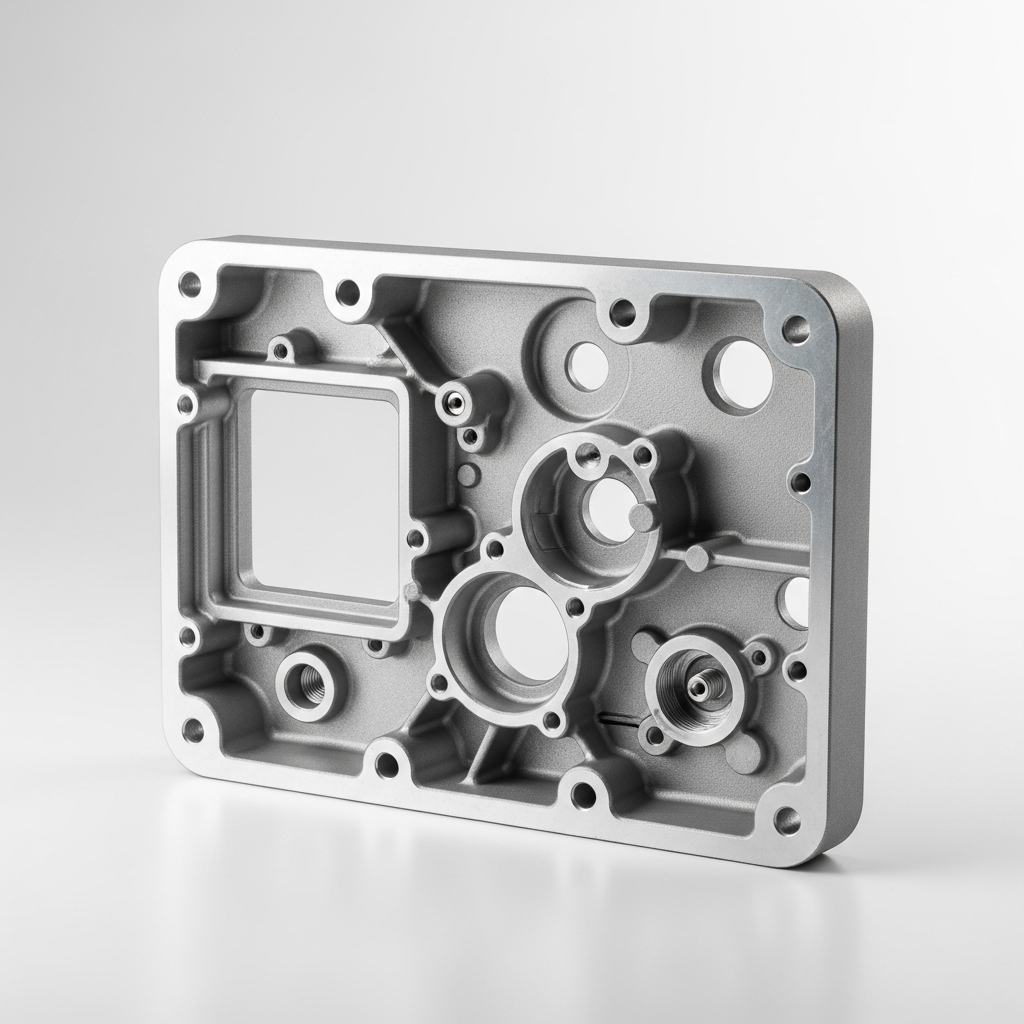
Cabin & Safety
Cabin & Safety Features
Housings for electronic controls, panels, and safety
systems — die casting + machining.
Materials
Built from the right
metal for the job
Heavy equipment demands materials chosen for strength, wear,
and durability — not just weight.
Steel & Alloy Steel
Forged for high-load, fatigue-critical drivetrain and
structural parts
Cast Iron (ductile & gray)
Durability and wear resistance for housings and heavy
components
Aluminum
Weight reduction where strength targets allow
Stainless Steel
Corrosion resistance for exposed and washdown environments
Deliver
CMM, FAIR, and material certs with the order
Escalate
only when something breaks
Communicate
status proactively, every step
Every
account gets a dedicated supply chain specialist
and planner who own quality, inventory, and on-time delivery as one program.
FAQ
Construction &
agriculture FAQs
Sand casting is ideal for large, complex machinery parts, while forging provides higher strength and fatigue resistance for heavily loaded components. The right choice depends on load, geometry, and volume.
Hydraulic housings are commonly produced using iron casting, aluminum casting, and CNC machining for pressure resistance and dimensional accuracy.
Forged parts offer superior durability, impact resistance, and fatigue strength, making them ideal for tractors, loaders, and heavy agricultural equipment.
Casting is preferred for complex, high-strength components, while fabrication is better for large structural assemblies and flexible low-volume manufacturing.
Steel, cast iron, aluminum, stainless steel, and wear-resistant alloys are commonly used for durability and high-load performance.
Investment casting produces more precise components with a smoother surface finish, while sand casting is more cost-effective for large, heavy-duty parts.
Excavator and loader components are manufactured using forging, casting, fabrication, welding, and CNC machining depending on structural and wear requirements.
Steel forging improves grain flow, strength, and impact resistance, making it ideal for high-stress construction and mining equipment applications.
Get Started
Build equipment that holds up
Whether you need to reduce cost, improve quality, or optimize your
supply chain, MES has the expertise and global resources to support your construction and agriculture
programs. Contact us for a consultation.