Precision aluminum, zinc &
magnesium die castings — globally sourced and program-managed. MES doesn’t just source the
part. We manage the tooling, quality, and supply chain that delivers it.
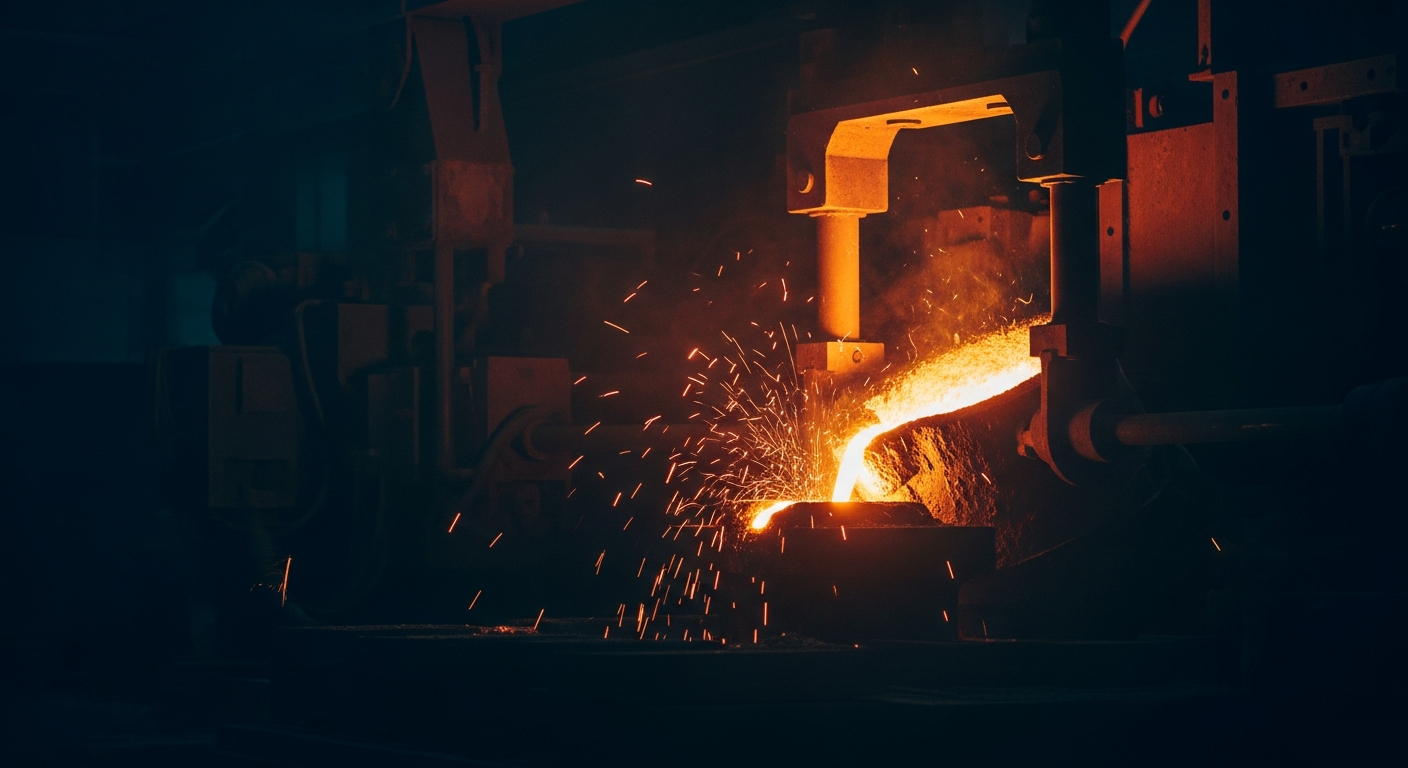
Die casting forces molten metal under
pressure into a reusable steel mold — called a die. It produces high volumes of
dimensionally accurate metal parts with excellent surface finish and thin walls, making
it one of the most cost-effective processes for medium-to-high volume aluminum, zinc,
and magnesium components.
Because the steel die can be reused
for hundreds of thousands of cycles, die casting delivers a low per-part cost at scale —
with the repeatability that demanding automotive, lighting, and electrical programs
require.
Thin walls
Down to 1.5 mm
Tolerance
±0.005" datums
Die
life
100,000s of
cycles
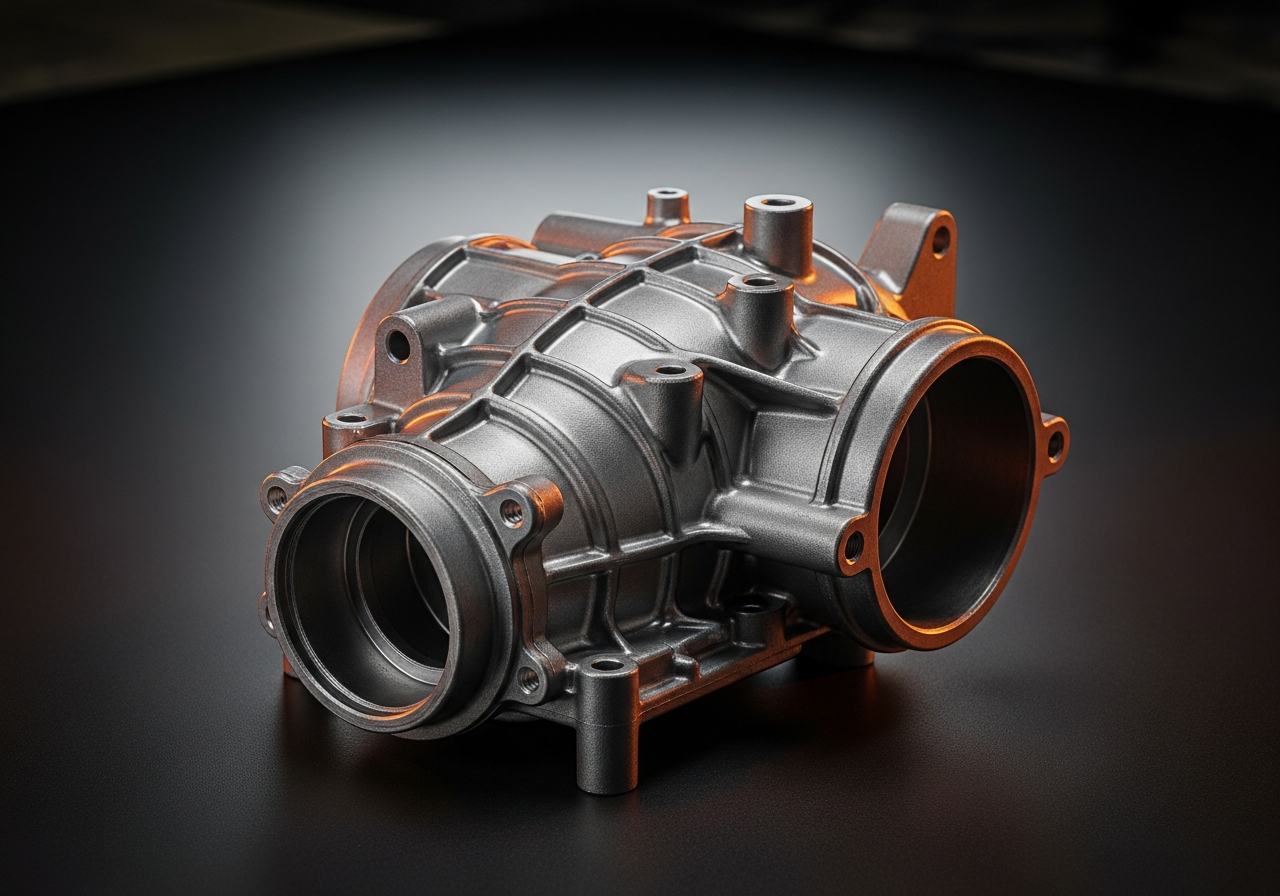
Finished
aluminum casting
A380
Capabilities
Die casting processes we support
HPDC
High-pressure die casting
Molten metal is injected into the die at
high speed and pressure. The most common process for automotive, electrical, and
lighting components.
Best
for
High-volume, thin-walled,
complex aluminum and zinc parts where dimensional repeatability matters.
LPDC
Low-pressure die casting
Molten metal is pushed upward into the
die under controlled, lower pressure for superior internal soundness.
Best
for
Larger structural parts where
porosity control and mechanical strength are critical — suspension and
structural housings.
How to choose
Use HPDC
for thin walls, fine detail, and high volumes. Use LPDC for thicker, structurally loaded parts
that need superior internal soundness. MES matches the process, alloy, and supplier to
your part’s geometry, volume, and application — before
tooling is cut.
Materials
Alloys we source
Alloy selection is
driven by part function, weight target, corrosion exposure, thermal requirements,
and cost. MES evaluates all of these with your team during quoting and tooling — not
after.
Alloy
family
Aluminum
— Lightweight structural
Zinc
— Precision & detail
Magnesium
— Ultra-lightweight
Material Group
Common Grades
Applications & Properties
01
13
Al
Aluminum
A380
A383
/ ADC12
A360
A380:
The most widely used
die casting alloy — strong general-purpose choice with good strength,
thermal conductivity, and castability.
A383 / ADC12:
Improved
fill for thin-walled and complex parts. Common in electronics and lighting.
A360:
Higher corrosion
resistance and better performance at elevated temperatures.
02
30
Zn
Zinc
Zamak
3
Zamak
5
Zamak 3 & Zamak 5:
Excellent for thin walls, fine detail, plating, and tight tolerances — at
lower melt temperatures and longer die life.
03
12
Mg
Magnesium
AZ91D
AZ91D:
The lightest
structural casting alloy — used where weight reduction is the priority.
Alloy selection evaluated during quoting & tooling · matched to function, weight,
corrosion & cost
Engineering
Design & engineering support (DFM)
Our engineers support design for
manufacturability from concept through launch — reducing redesigns and hitting your
specifications the first time. Typical guidance we provide:
Uniform walls (commonly
0.06″–0.20″ / 1.5–5 mm depending on alloy and part size) reduce porosity and
shrinkage.
Draft angles
Adequate draft on all vertical
walls allows clean ejection and longer die life.
Tolerances
±0.005″ capability on critical
datums and mating surfaces; tighter tolerances achieved through secondary
machining.
Fillets and radii
Generous internal radii reduce
stress concentration and improve metal flow.
Moldflow analysis
We run flow simulation before
steel is cut to catch fill, porosity, and shrink issues early.
Secondary
operations
MES manages the full part — not just the
casting. One partner delivers the finished, inspected, ready-to-install component.
CNC
machining
Drilling
& tapping
Impregnation
Vibratory
finishing
Media
finishing
Shot
blasting
Powder
coating
Anodizing
Plating
Leak
testing
Assembly
Quality &
inspection
MES embeds engineers and quality specialists
at supplier facilities — measuring quality at every production stage, not just at final
inspection.
Co-managed tooling builds
PPAP submission & management
CMM dimensional inspection
X-ray & ultrasonic inspection
Leak testing for sealed parts
On-site embedded engineers
IATF
16949 Certified
ISO
9001 Certified
Why
MES
The MES difference
How
most suppliers manage quality
How
MES manages quality
Inspect
at the receiving dock
Verify
at the source, inside the factory
Rely on
the supplier's self-reporting
Put MES
engineers on the production floor
Discover
defects after delivery
Catch
and correct drift during the run
Hand you
the documentation to chase
Deliver
CMM, FAIR, and material certs with the order
Escalate
only when something breaks
Communicate
status proactively, every step
Every
account gets a dedicated supply chain specialist
and planner who own quality, inventory, and on-time delivery as one program.
Global
Network
Globally sourced die castings
MES maintains active supplier
relationships across the key manufacturing hubs of China, India, Mexico, and Vietnam.
This diverse sourcing strategy lets us optimize lead times, cost, and logistics for
every program — and enables China+1
strategies for customers diversifying risk without sacrificing cost or quality.
High-volume
China
1,274
parts
Parts across all tonnage ranges
Nearshoring
Mexico
131
parts
Duty-free USMCA access
Cost
advantage
India
123
parts
Scaling precision and quality
Diversification
Vietnam
30
parts
Supply chain resilience
1,558 parts
across the global network
Aluminum die
castings by tonnage & country
Tonnage
China
India
Mexico
Vietnam
Total
100–200T
321
33
33
11
398
201–400T
433
41
63
5
542
401–600T
89
21
9
3
122
601–800T
132
22
10
9
173
801–1,000T
80
5
6
2
93
1,001–1,200T
68
—
9
—
77
1,201–1,600T
60
1
1
—
62
1,601–1,800T
73
—
—
—
73
2,000–2,500T
18
—
—
—
18
Grand total
1,274
123
131
30
1,558
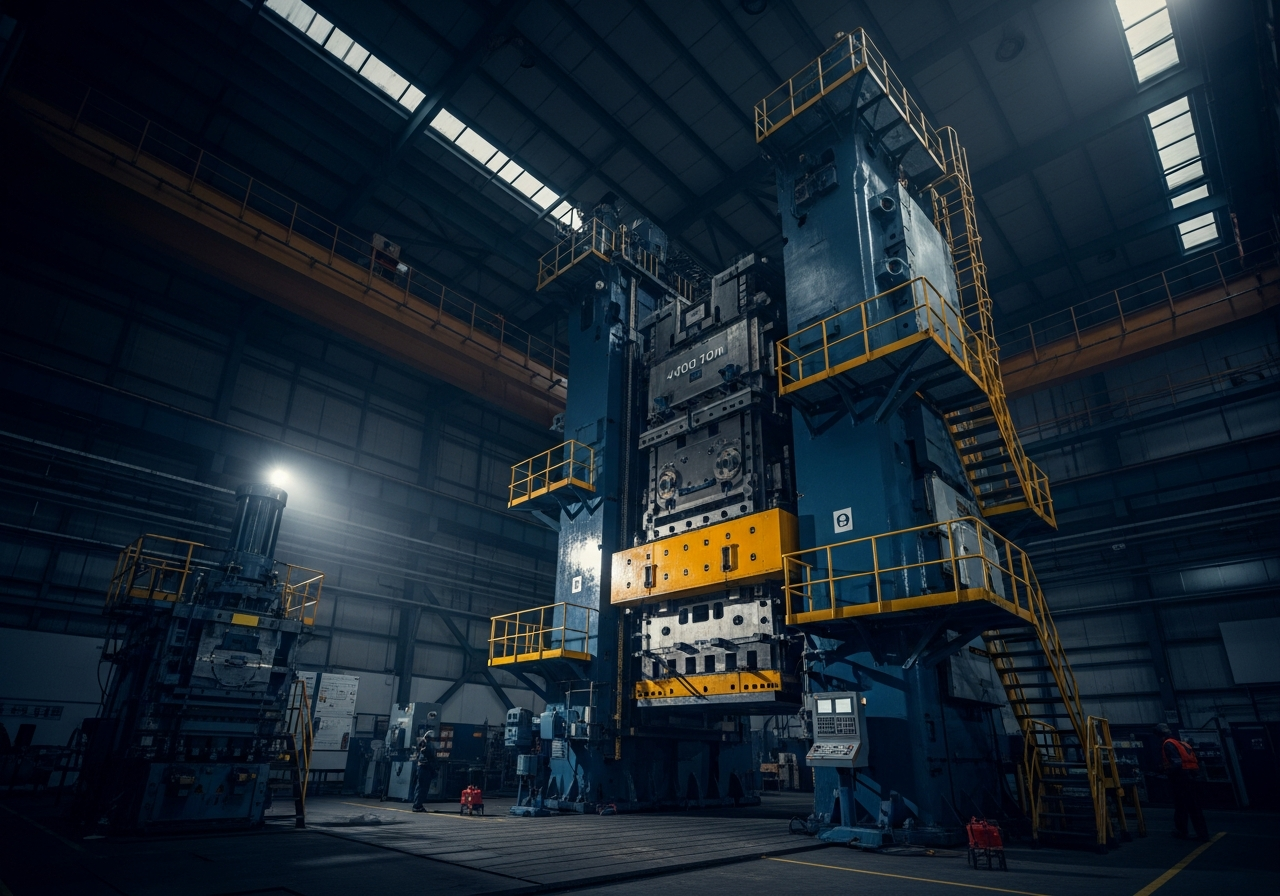
4,400T
Scale
Our 4,400-ton press, running at full capacity
MES manages die casting programs
across the full tonnage spectrum — from 50-ton precision parts to large structural
castings on 4,400-ton presses. The largest press class in our network, producing
structural aluminum castings up to 2,500T for automotive, energy, and industrial
applications.
50T
Smallest
2,500T
Structural
4,400T
Largest press
Industries
We Serve
Die Casting across industries
MES provides custom die casting solutions where complex geometry and material strength matter. Hover an industry
to explore.
High-pressure
die casting forces molten metal into a steel die at high speed and pressure, making
it ideal for high-volume, thin-walled, complex aluminum or zinc parts. Low-pressure
die casting uses controlled upward pressure at lower speeds, suited for larger
structural components where porosity control and surface finish are critical.
MES embeds
engineers and quality specialists directly at supplier facilities, not just at final
inspection. We co-manage tooling builds, conduct Moldflow analysis before production
begins, and oversee PPAP submissions. Every customer receives a dedicated planner
who monitors inventory, forecasts, and delivery in real time.
Lead times
vary by part complexity, tooling requirements, and geography, but MES proactively
manages tooling builds to prevent the 8–12 week delays that commonly occur when
programs are under-managed. Our experience across 1,500+ die cast parts means we
anticipate and prevent the delays most suppliers discover too late.
Yes. MES
actively designs China+1 sourcing strategies with established supplier networks in
India, Mexico, and Vietnam. We help customers diversify risk without sacrificing
cost or quality, aligning sourcing decisions to part complexity, logistics, and
tariff environment.
MES works
exclusively with IATF 16949 and ISO 9001 certified suppliers. For automotive and
e-mobility applications, IATF 16949 certification ensures suppliers meet the
rigorous process and quality management requirements of the automotive supply chain.
MES primarily
sources aluminum (A380, A383/ADC12, A360) and zinc (Zamak series) alloys, with
magnesium and copper-based alloys for specialty applications. Alloy selection is
driven by part function, weight target, corrosion requirements, and cost, all
evaluated during quoting and tooling.
MES sources
across a 50 to 4,400 ton press range, covering everything from small precision
components to large structural castings up to 2,500 tons of clamping force.
RFQ //
ENGINEERING REVIEW
Get a die casting quote
Send us
your part drawing or 3D model and a dedicated specialist will match it to the
right alloy, process, and supplier.