Precision investment castings
in the metals die casting can’t touch — steel, stainless, and beyond — globally sourced and
program-managed. MES doesn’t just source the part. We manage the quality, tooling, and
supply chain that deliver it.
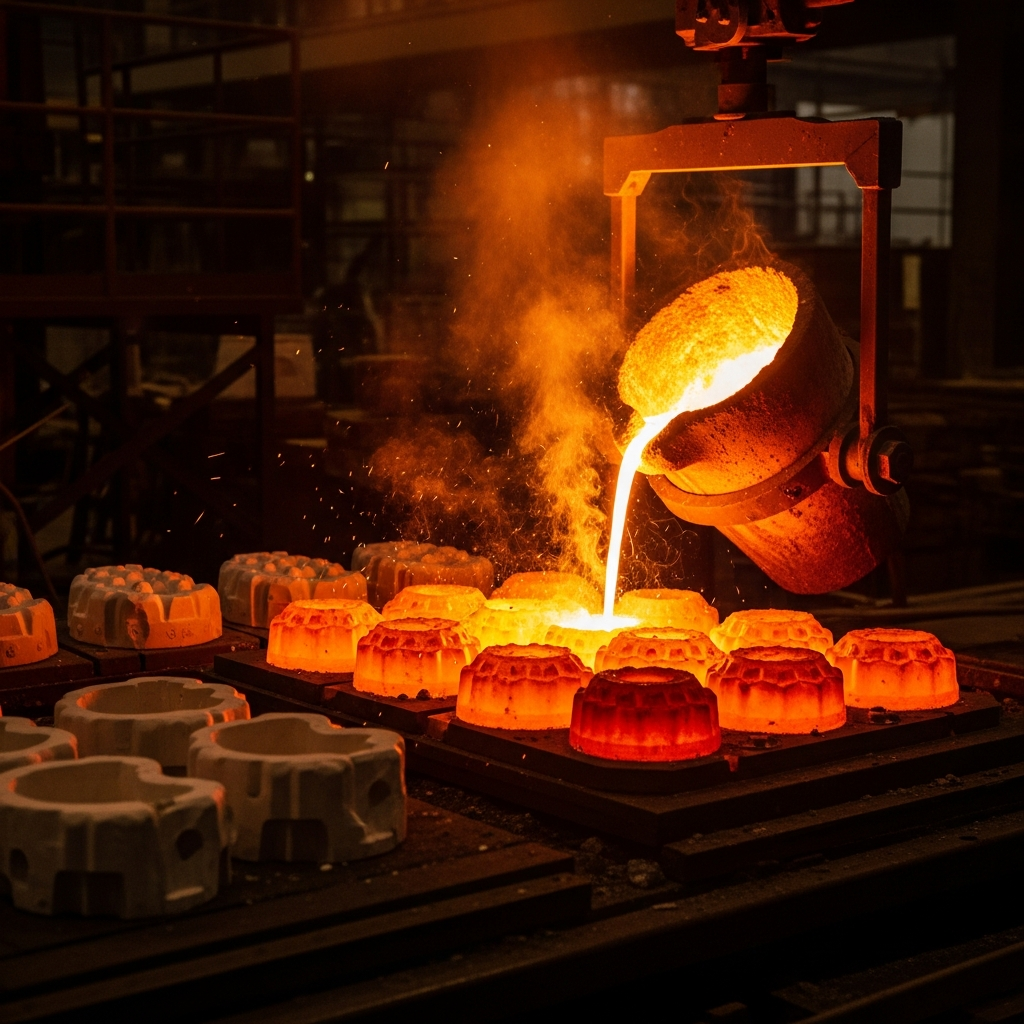
Investment casting — also called lost
wax casting — is a precision metal-forming process that produces complex, near-net-shape
components from ferrous and non-ferrous metals including steel, stainless steel,
aluminum, brass, and bronze. A wax pattern is coated in ceramic slurry to build a mold
shell, the wax is melted out, and molten metal is poured into the cavity.
Because the mold is formed around a
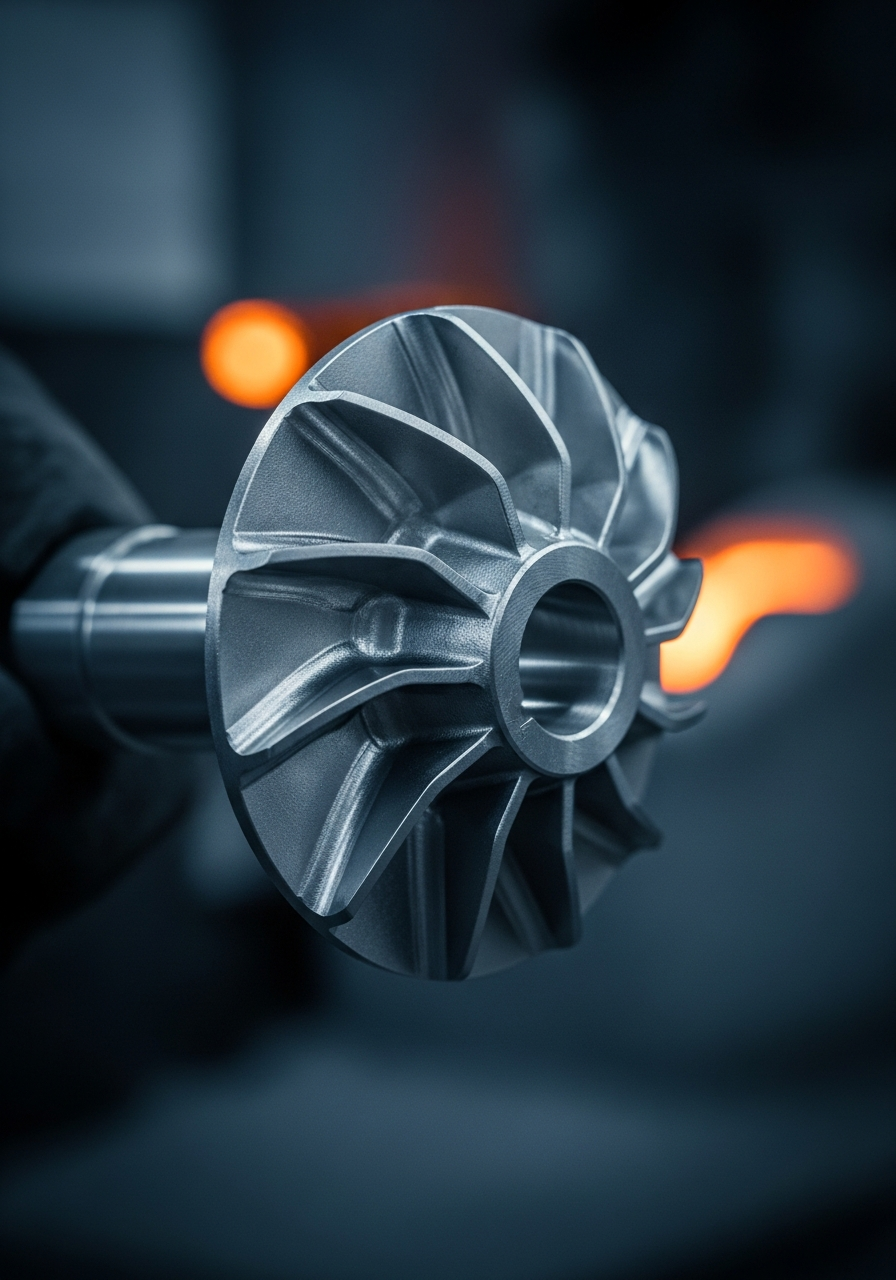
precise wax replica, investment casting delivers superior dimensional accuracy,
intricate detail, and thin walls — often eliminating the extensive machining a part
would otherwise need if cut from bar stock.
Tolerance
±0.005"/in (±0.13 mm/mm)
Surface finish
~125
RMS
Materials
Ferrous & non-ferrous
Lost wax
investment casting
Near-Net-Shape
Spotlight
The parts die casting can't make
PROCESS ADVANTAGE // INV-CAST 04
Die casting is limited to
low-melting-point metals — aluminum, zinc, magnesium. Investment casting isn’t. That’s why
it’s the right process when your part demands steel or stainless steel, intricate geometry,
or a near-net shape that saves machining.
01
/ 04
High-melting-point
metals
Carbon steel, alloy steel, and
stainless (304, 316, 17-4 PH) die casting can’t process.
02
/ 04
Complex geometry
Thin walls, internal passages,
and undercuts in a single casting.
03
/ 04
Near-net-shape
Less material removed, less
waste, less secondary machining.
04
/ 04
Verified at the
source
MES quality engineers confirm
every casting before it ships.
Capabilities
Investment casting capabilities at MES
MES sources and manages
precision investment castings through a vetted global supplier network — supporting
a full range of materials, part sizes, and production volumes.
Capability areas
01
— Materials We Cast
02
— Part Complexity
03
— Production Volumes
04
— Secondary Operations
Steel
& stainless castings
Source-Verified
Complex
geometry
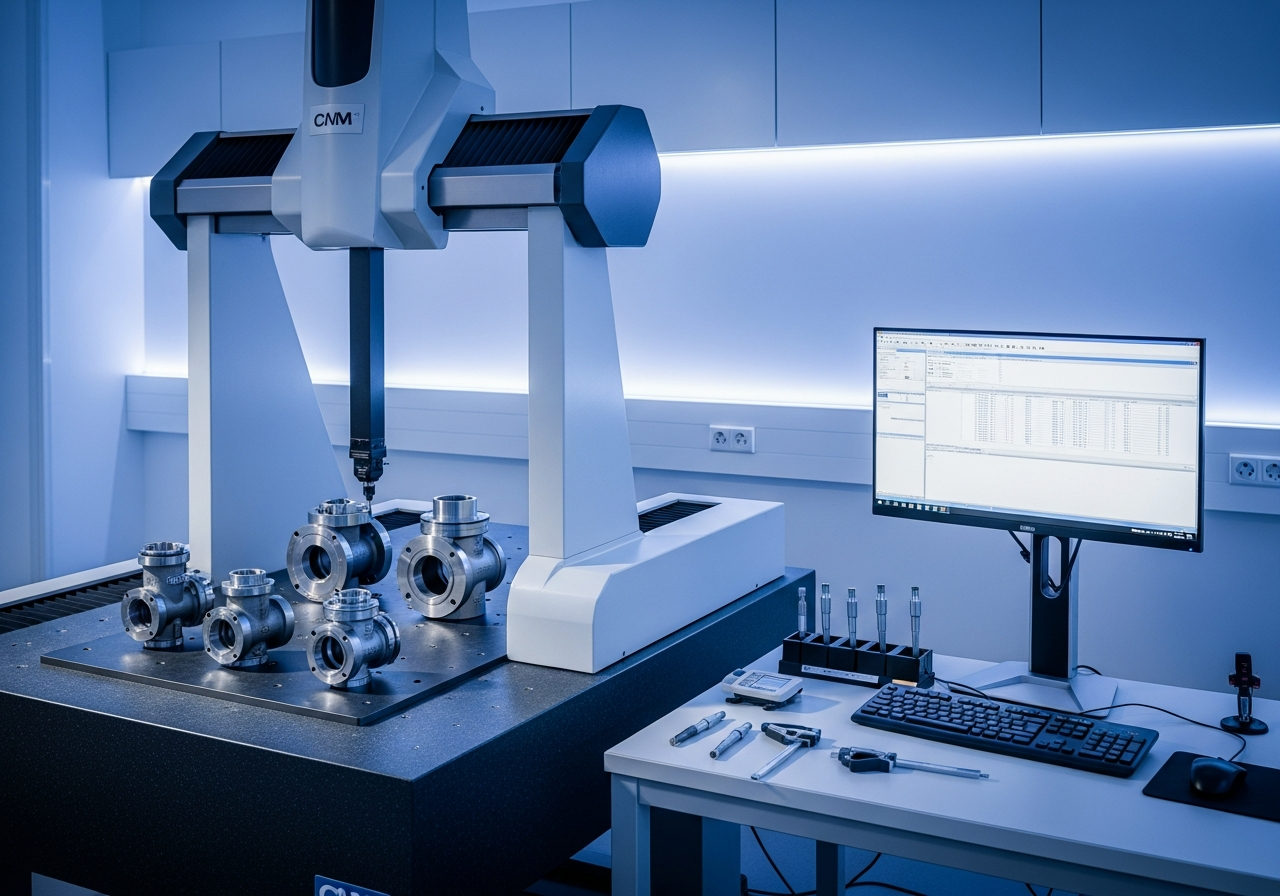
CMM
verified
±0.005"
per inch
linear tolerance, as cast
01
Materials We Cast
Carbon
steel and alloy steel
Stainless
steel (300 & 400 series)
Aluminum
alloys
Brass
and bronze
Ductile
iron and gray iron
02
Part Complexity
Thin-walled
and delicate geometries
Complex
internal passages and undercuts
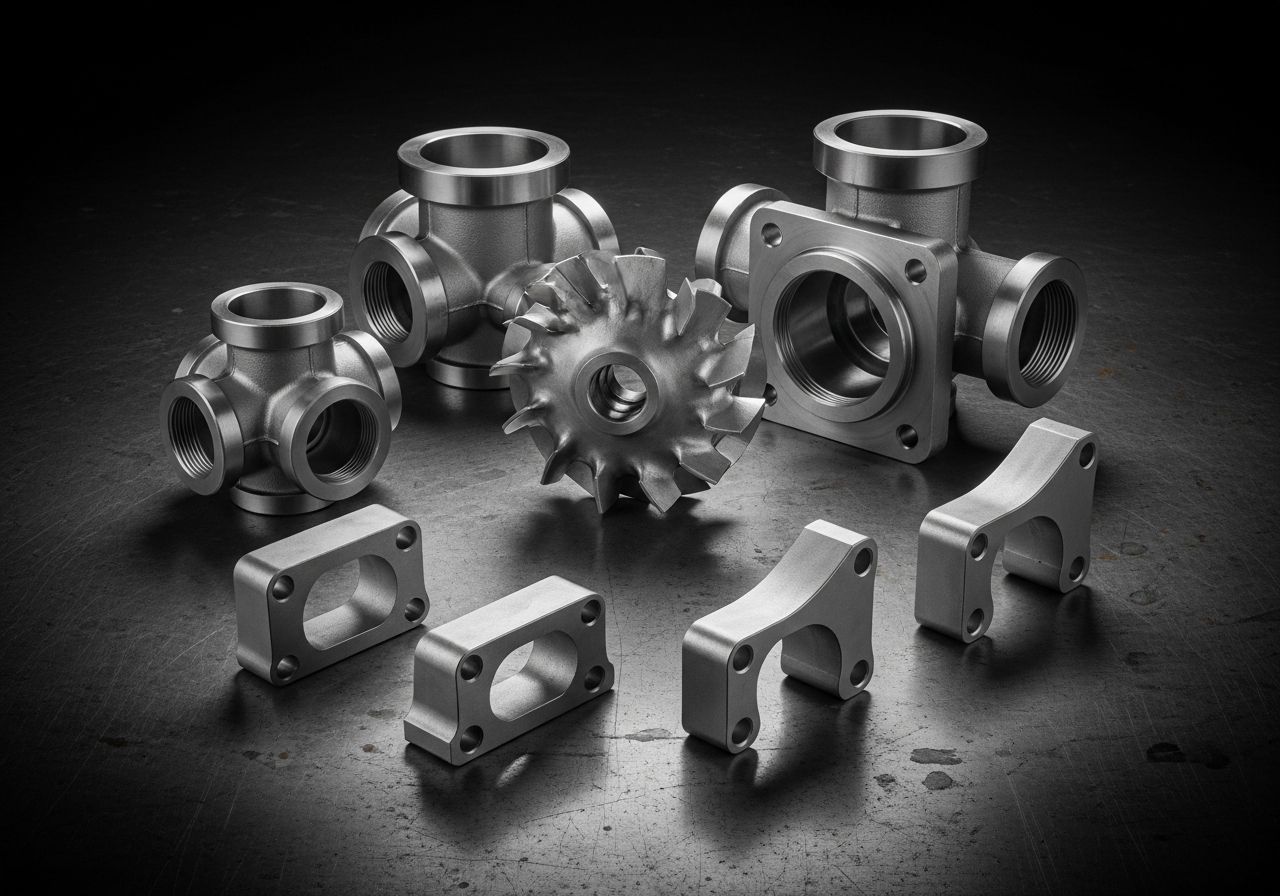
Near-net-shape
components
Tight-tolerance
housings and valve bodies
Brackets
and fittings
03
Production Volumes
Prototype
and low-volume runs
High-volume
production
JIT
delivery programs
MES-managed
warehousing
04
Secondary Operations
CNC
machining post-casting
Heat
treatment & finishing
Assembly
and sub-assembly
Dimensional
inspection
CMM
reporting
Supply
Chain Ownership
More than a casting supplier — a supply chain partner
Most investment casting
companies hand you a part and a tracking number. MES owns your supply chain instead.
Dedicated Supply
Chain Specialist
A single point of contact focused
on your account, tracking your castings from the factory floor in real time
with proactive lead-time updates.
Demand Planners on
Your Account
MES planners work with your team
on forecasting and inventory — managing seasonal swings, launches, and
disruptions to keep production running.
In-Factory Quality
Teams
MES quality engineers are
stationed inside partner foundries, verifying dimensions, surface finish,
and material certifications before parts ship — not at your receiving dock.
Global Warehousing
Network
Strategically located warehouses
in Ohio, Poland, and Mexico for domestic buffer stock, JIT delivery, and
nearshore inventory support.
Live
supply lanes
Factory
door → your door
Shipping accuracy
98.4
%
Shipped right, first time
Ohio
US buffer stock
Poland
European hub
Mexico
Nearshore JIT
Why
MES
The MES difference
How
most suppliers manage quality
How
MES manages quality
Inspect
at the receiving dock
Verify
at the source, inside the factory
Rely on
the supplier's self-reporting
Put MES
engineers on the production floor
Discover
defects after delivery
Catch
and correct drift during the run
Hand you
the documentation to chase
Deliver
CMM, FAIR, and material certs with the order
Escalate
only when something breaks
Communicate
status proactively, every step
Every
account gets a dedicated supply chain specialist
and planner who own quality, inventory, and on-time delivery as one program.
Industries
We Serve
Precision castings across industries
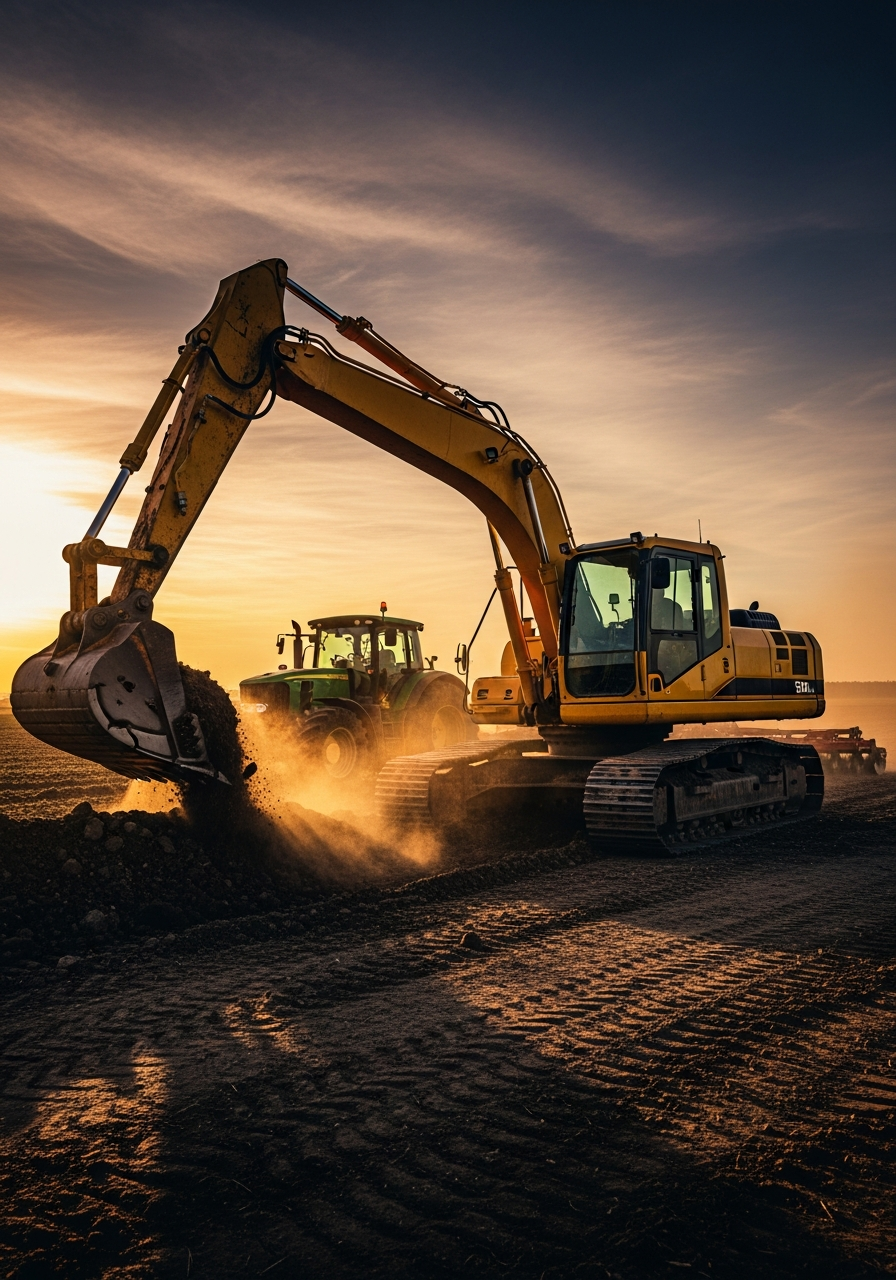
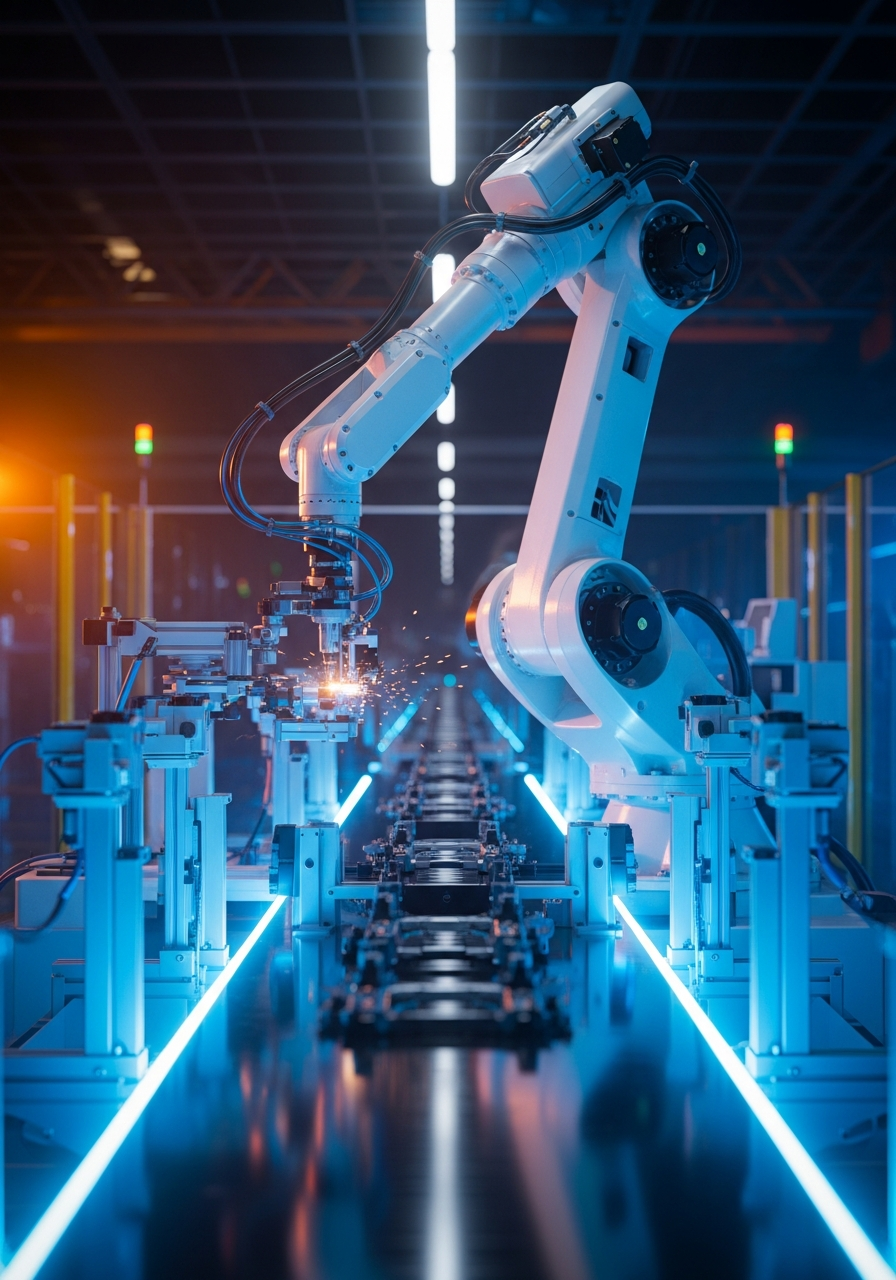
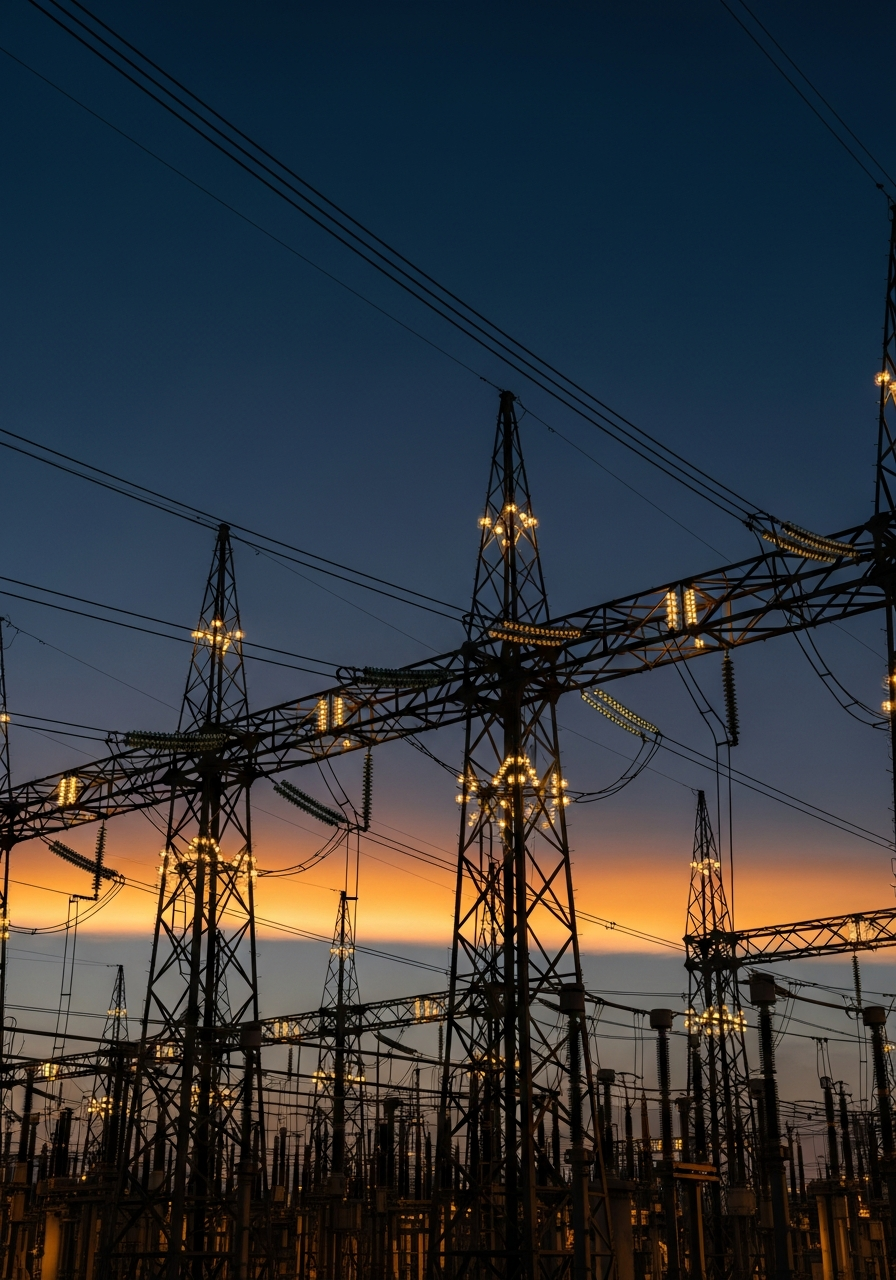
MES provides custom investment
casting solutions where complex geometry and material strength matter. Hover an industry
to explore.
MES supplies investment castings
and managed supply chain services to some of the most demanding manufacturers in the
world — built on the confidence that MES manages the entire supply chain, factory door
to customer door, with zero gaps in visibility or accountability.
ISO 9001:2015 Certified
Minority Certified — SCOMBC
FAQ
Frequently asked questions about investment casting
Investment casting (lost
wax) uses a ceramic mold built around a wax pattern that is melted away
before metal is poured. It excels at complex geometries, thin walls, and
intricate details across a wide range of metals — including steel and
stainless steel. Die casting forces molten metal under high pressure into a
reusable steel die and suits high-volume, simpler aluminum or zinc parts.
Investment casting offers superior dimensional accuracy and design
flexibility; die casting offers speed at scale for lower-melting-point
alloys.
Carbon steel, alloy steel,
stainless steel (304, 316, 17-4 PH, and others), aluminum alloys, brass,
bronze, and ductile iron. The process is especially valued for casting
high-melting-point alloys like stainless steel that can’t be die cast.
Investment casting typically
achieves linear tolerances of ±0.005 inches per inch (±0.13 mm/mm) with
surface finishes around 125 RMS. Tighter tolerances on specific dimensions
are achievable through secondary CNC machining — making it ideal for
precision parts that would otherwise require extensive machining from bar
stock.
Standard lead times run 6 to
12 weeks for production tooling and initial samples, depending on part
complexity and material. Repeat orders can run faster with inventory
programs. MES supply chain specialists proactively manage lead times, and
warehousing positions buffer inventory close to your facility for JIT
delivery.
Lost wax casting is another
term for investment casting. A wax replica of the part is coated in ceramic
slurry to form a mold shell, then the wax is “lost” — melted out — before
molten metal is poured in. The two terms are used interchangeably.
MES assigns quality
engineers inside partner foundries. Rather than inspecting after parts
arrive, teams verify dimensional accuracy, material compliance, and surface
quality at the source — including first-article inspection (FAI), in-process
checks, and review of material test reports (MTRs). Parts are verified
before they ship.
Yes. MES provides investment
castings with integrated CNC machining, delivering finished or semi-finished
components ready for assembly — reducing your supplier count and keeping the
supply chain consolidated under one point of accountability.
MES supports both
prototype/development quantities and full production volumes. MOQs vary by
part complexity and supplier, and our team works with you to find a
cost-effective solution wherever you are in your product development cycle.
RFQ //
ENGINEERING REVIEW
Ready to source precision investment castings?
Send us
your CAD files. Our engineers review your requirements, recommend the right
material and process, and return a global sourcing quote.